2010 ARRL June VHF Contest
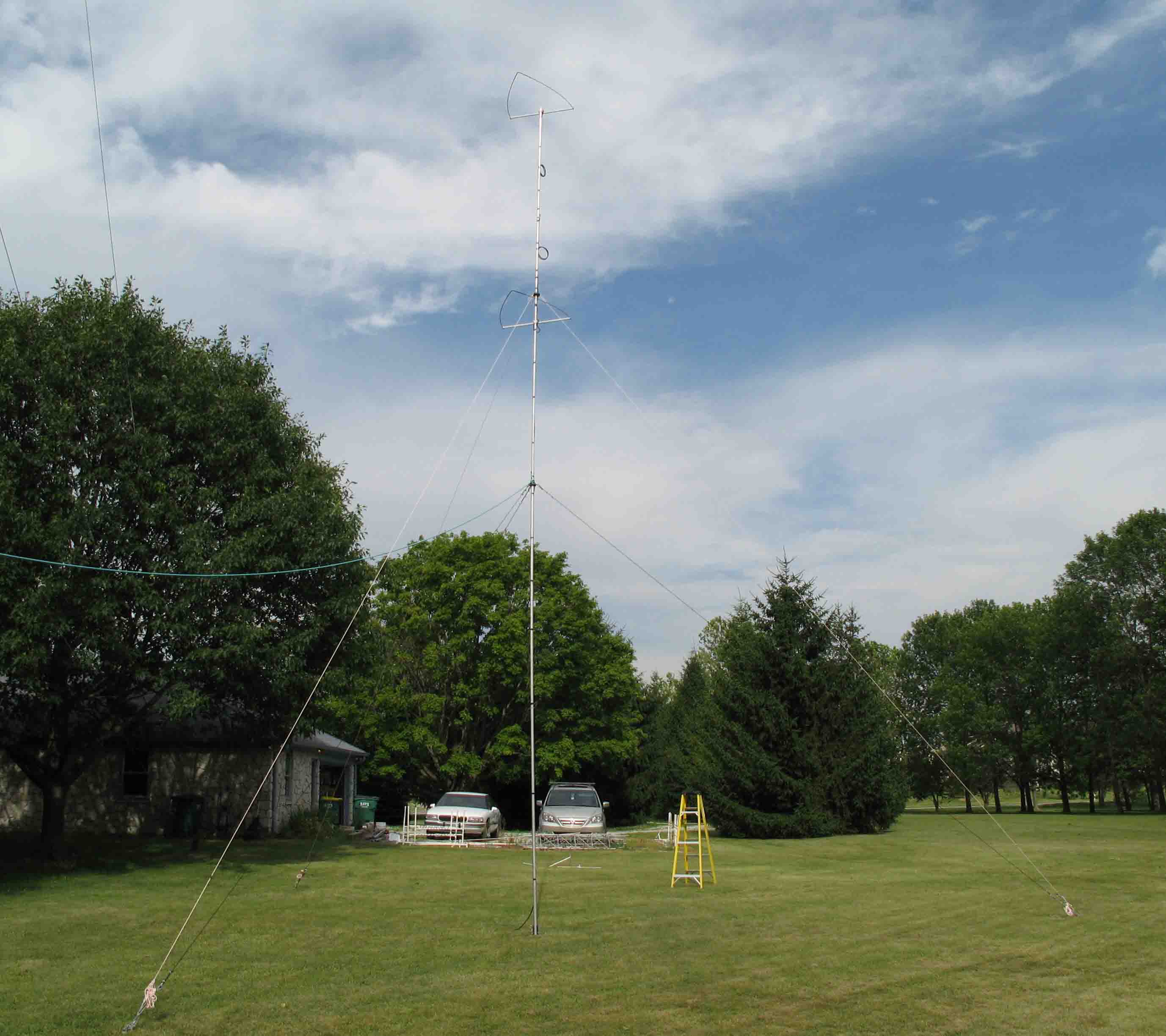
This year the xyl and I decided to stay home in EN60 because of the lousy economy. So I decided to erect my 40-ft aluminum pipe mast and use a pair of Stacked PAR Loops. This mast uses heavy wall tubing, and overlapping slip joints. Sections are locked together with hitch pins. It's study enough to be pulled up with a rope tied halfway up the mast. I pulled it up using a pulley mounted on my home tower, a snatch block, and my garden tractor.
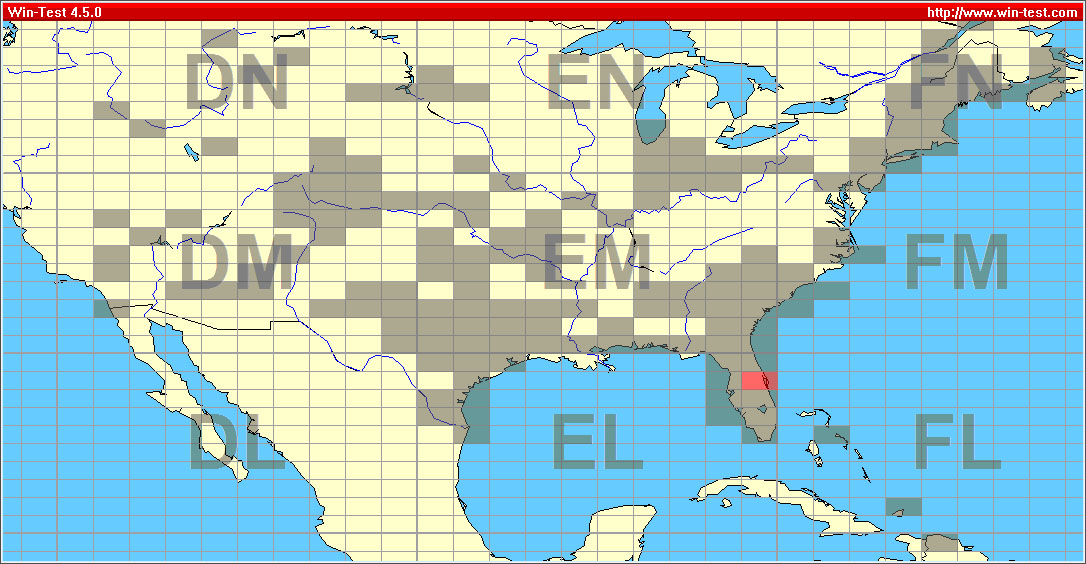
I expected to be tuning and working just the big signals. I was surprised to be able to call CQ and hold a frequency for short periods. My final totals were 487 Q's and 158 Grids. Since my "mighty antenna farm" was so compact, I thought people might be interested in some pictures.
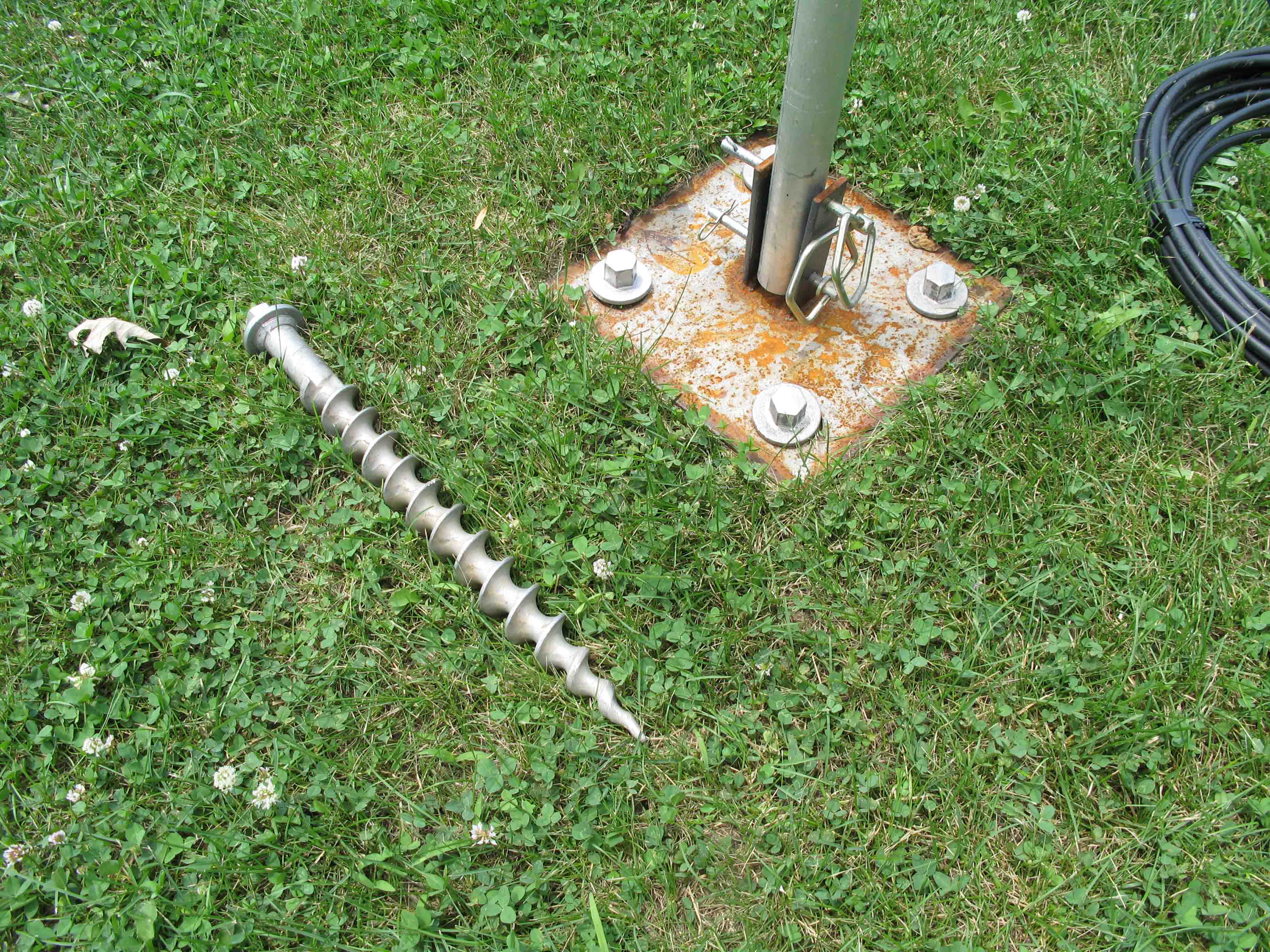
WB9LTY made the Mast and a matching tilt-up base. This Base, and the Guys are anchored with 18" "Penetrators" - Helical Guy Anchors from American Earth Anchors (http://www.americanea.com/products.php?cat=7). I found these through a post on one of the Contest Reflectors several years ago. They can be screwed in with a 1" Box End Wrench, but last year I bought a 3/4" Electric Impact Wrench to save my torn Rotator Cuff. Just hope you don't find any rocks!
The OA-50 PAR Ominangle Loop Antenna (http://www.parelectronics.com/omnis.php) knocks down to a 3-ft by less than 4" x 4" volume. They can be assembled in less than a minute with practice. The Loops were mounted spaced approximately 11-ft and fed with a PAR Electronics Stacking Kit. PAR claims a 3dB Gain for the stacked configuration.
This is just for information - I have no involvement with American Earth Anchors or PAR Electronics.
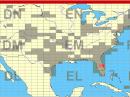
The Grid Square Map shows the results. Signals from the close-in Grids were very weak. I only worked 3 or 4 stations in Ohio – none in Illinois, Wisconsin, or Kentucky. I doubt the antennas generated much of a Ground Wave. Otherwise results were much better.
-- W9ZRXPhoto Gallery
-
 Tilt Base Illustr...
-
 Stacked PAR Loops...
-
 W9ZRX June VHF Gr...
Back