2016 ARRL Field Day
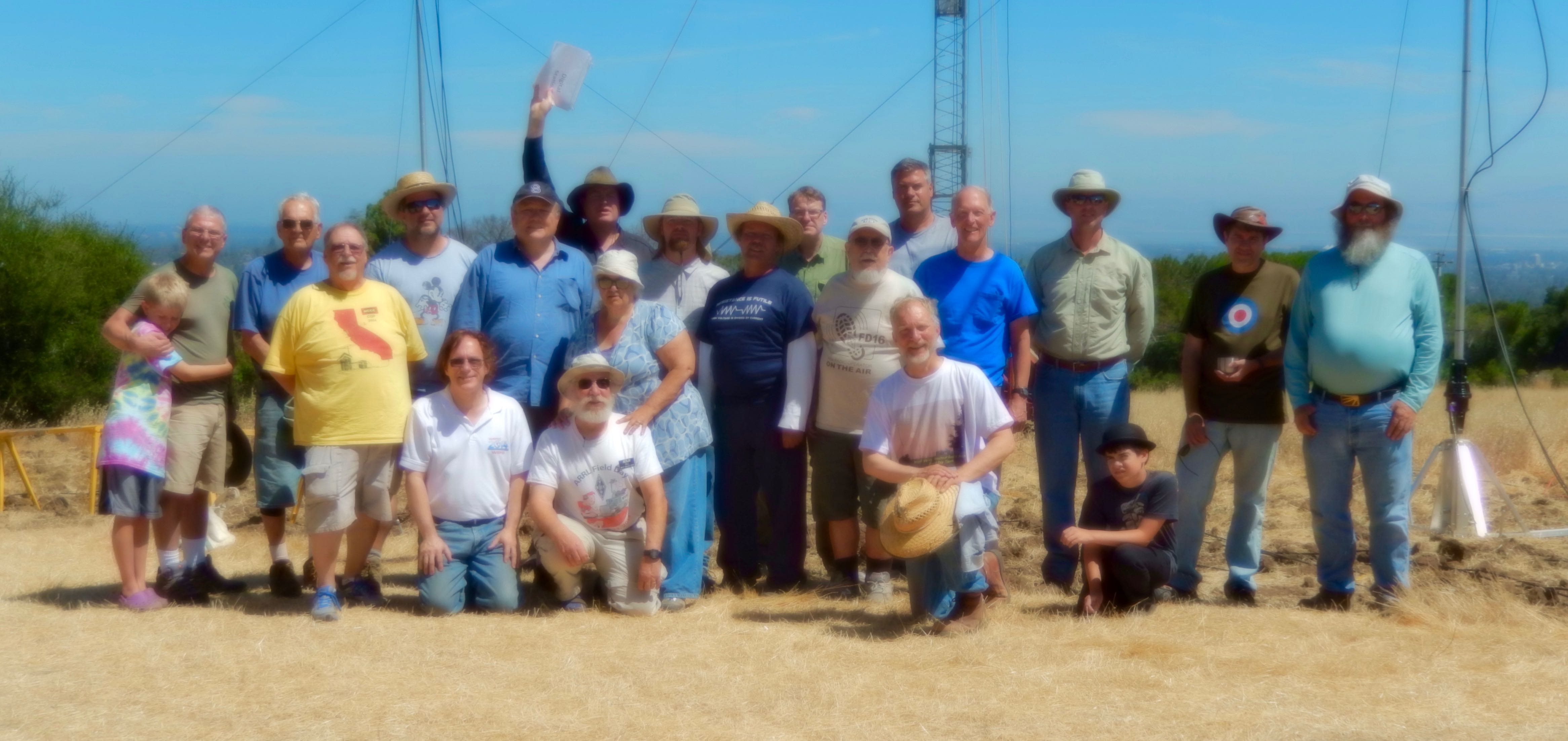
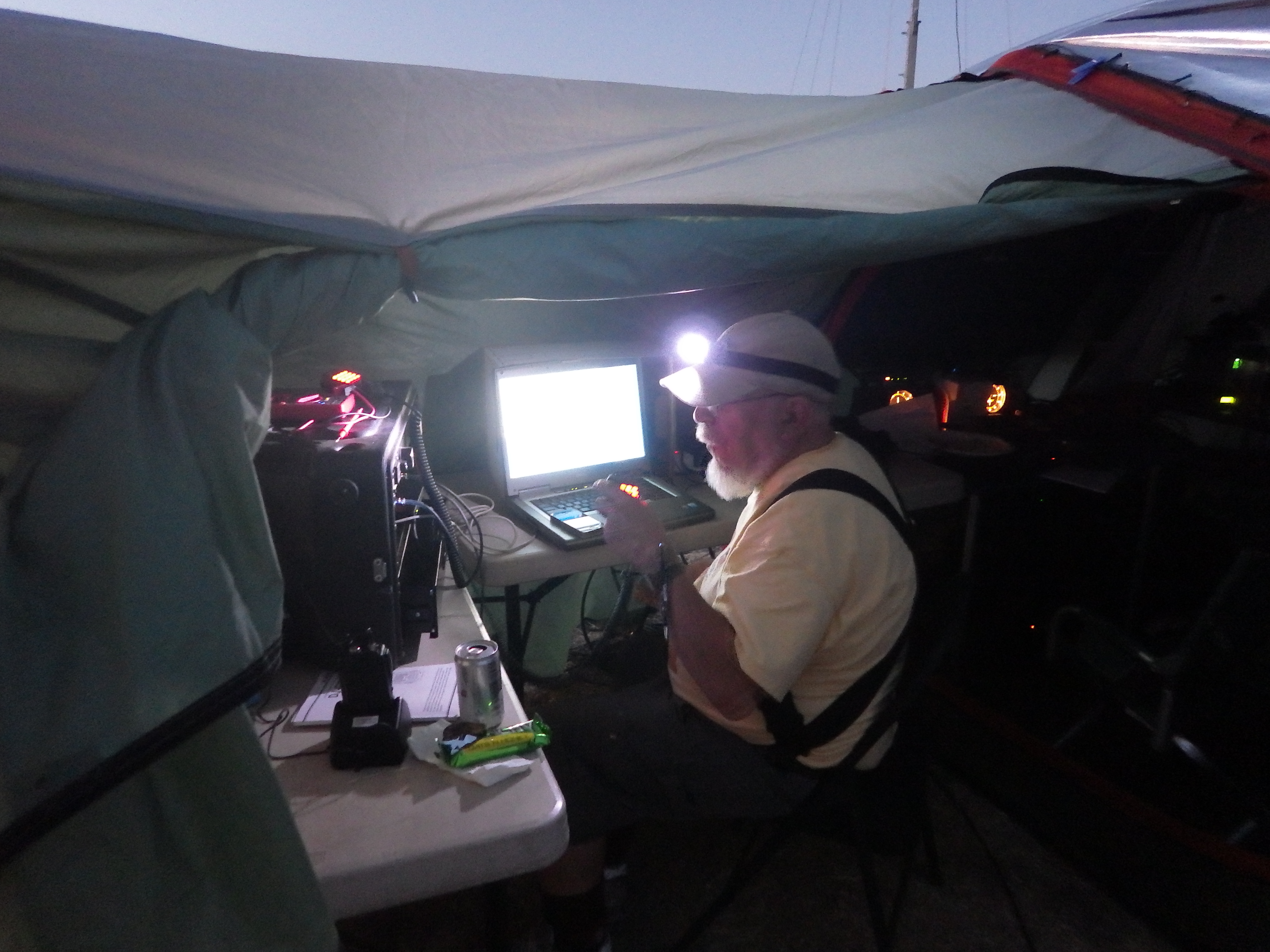
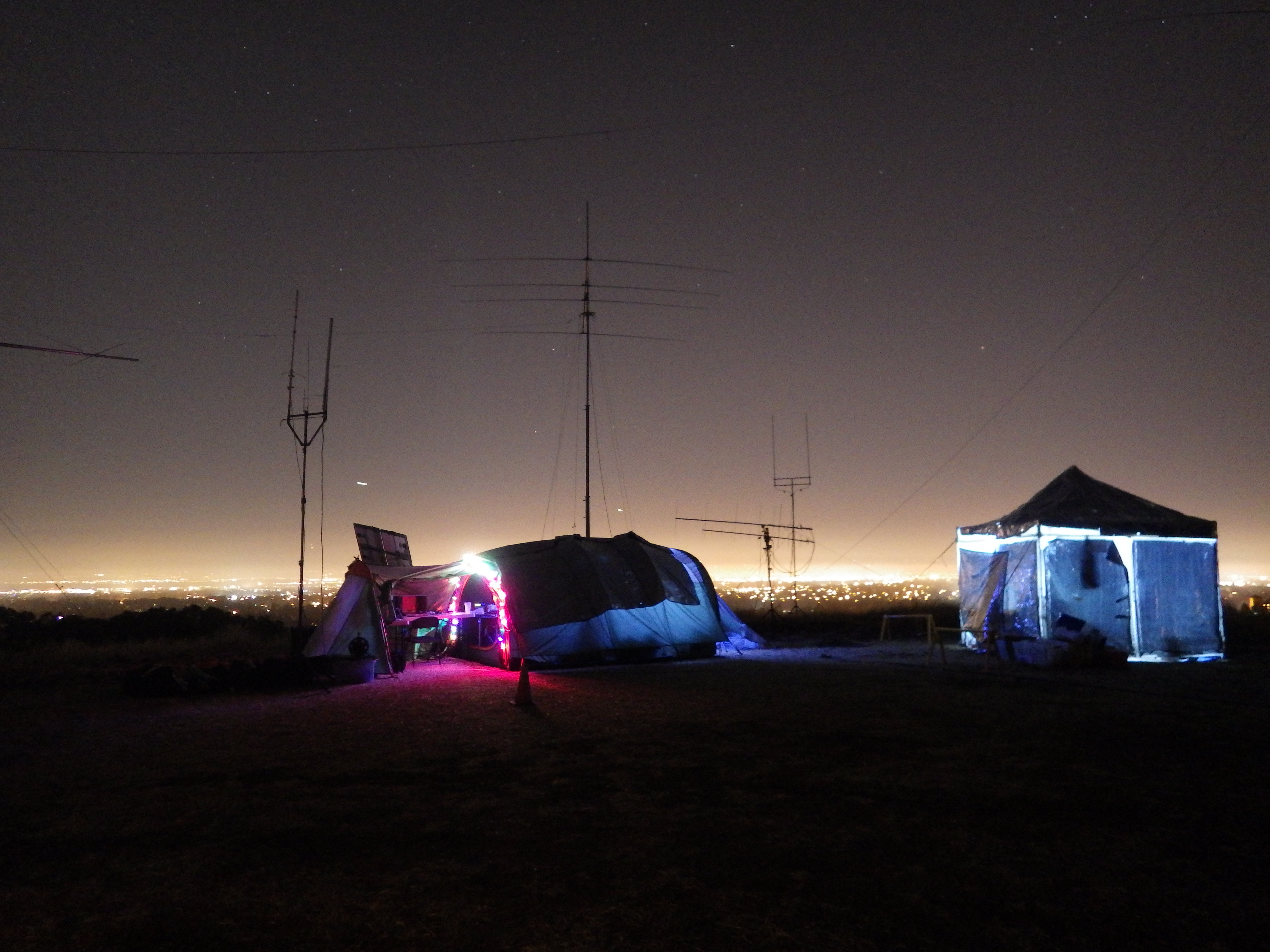
Field Day is a great opportunity to get outdoors, gain experience assembling equipment in the rough, and operate a station under challenging band conditions. This year the West Valley Amateur Radio Association (WVARA) operated QRP in the 12A Battery category from Mora Hill in Los Altos, California, overlooking the Silicon Valley from an elevation of 500 feet.
We had a Get-On-The-Air (GOTA) station, three HF CW stations, three HF SSB stations, an HF digital station, , and six VHF/UHF stations including one with satellite link capabilities. In spite of being limited to 5 watts, we succeeded in contacting all 50 states and a bit of DX. And there was plenty of VHF activity to keep us busy on the 6-, 2- and 70 cm bands including two satellite QSOs. We managed to make over 2000 contacts in 24 hours – not bad for 5 watts! Our GOTA station (W6ZZZ) was particularly popular with plenty of drop-in visitors including a good number of kids.
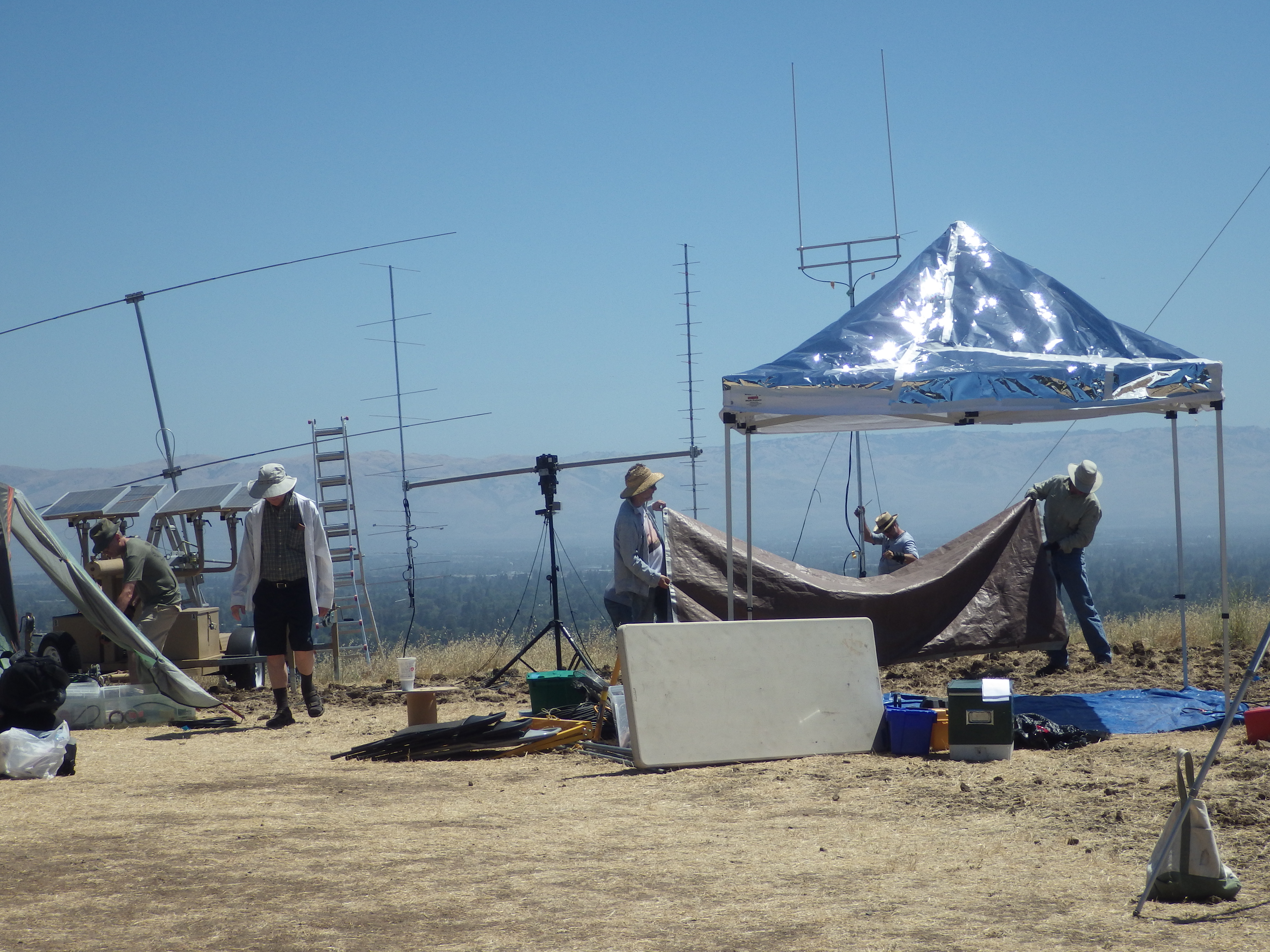
Being outdoors also meant that we got to put up wild-n-crazy antennas that our spouses and neighbors might never allow back home. Antennas on Mora Hill this year included 4-element monobanders on 15- and 20 meters as well as a Shorty-Forty 2-element Yagi. We likewise used a pair of HF tribanders on 10- 15- and 20 meters. (Actually, we adapted one of the tribanders to also cover 40 meters, which definitely came in handy with the declining sunspots.)
With the decline in the sunspot cycle, band conditions were less than stellar – especially when compared to what we’ve seen the previous few years. According to the ARRL’s propagation bulletin, the average sunspot count during the week of Field Day this year was zero. Argh! The solar flux near the start of the weekend was around 75 – a big drop from last year’s solar flux of roughly 100. And to make matters worse, geomagnetic field activity spiked from quiet to major storm levels on June 25, with the estimated planetary A-index hitting 33 and the K-index reaching 6, thanks to a coronal mass ejection. No surprise -- 15 meters this year was a disappointment with a 70% drop in the number of completed contacts.
The good news was that things really rocked on the lower bands. Twenty- and 40-meters were where totally hot, and we likewise had a 27 percent jump in the number of 80 meter QSOs this year . But the biggest jump in band performance was on 2 meters, where we went from 37 contacts in 2015 to 65 this year. Wow!
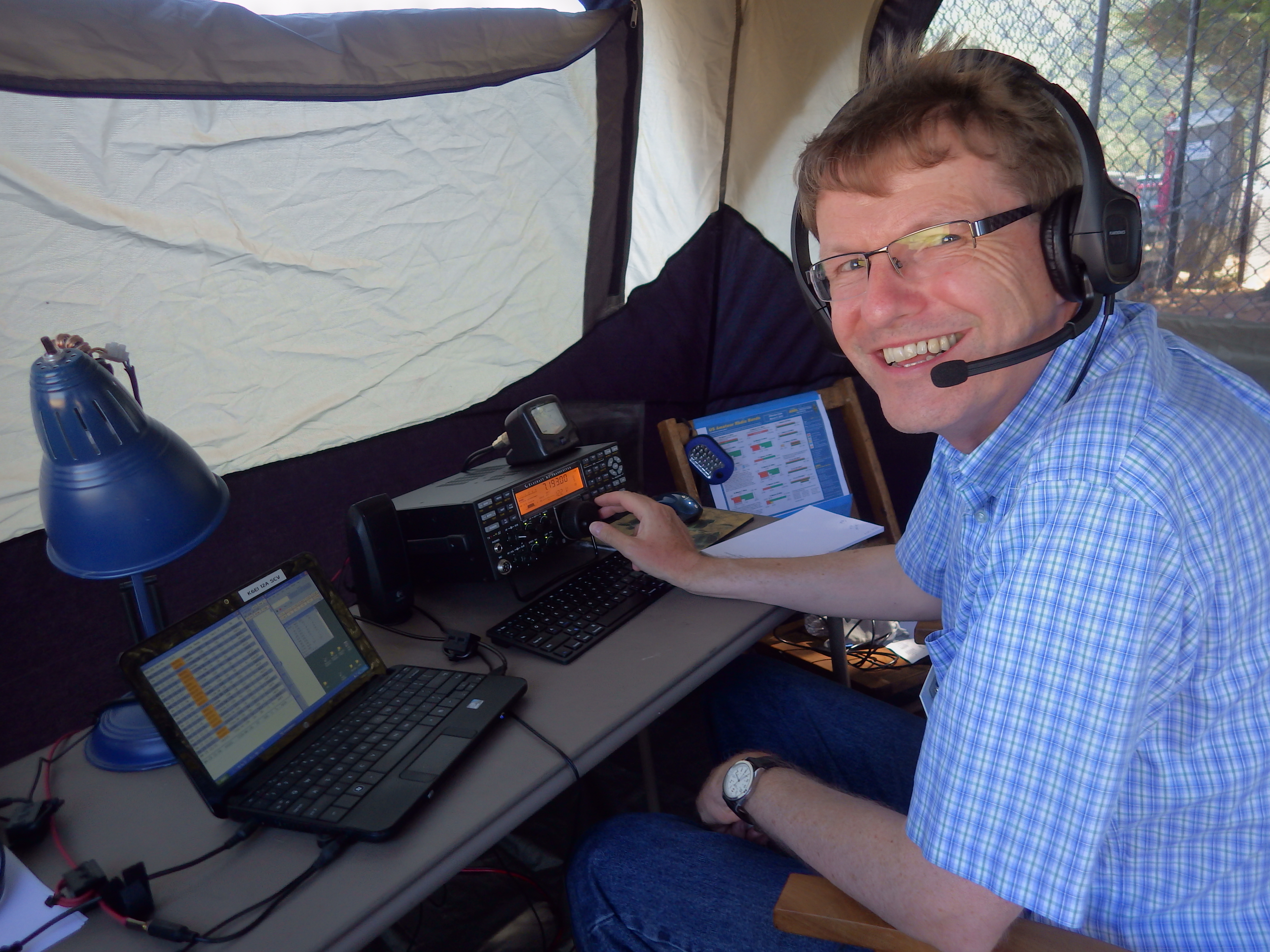
In addition to having a great time, each year we work at improving our equipment, antennas and operating skills. In order to minimize interference within our site, we took care to have HF transceivers with well-designed front-ends in order to minimize spur transmissions and receiver pumping/de-sensing. All of our site’s HF stations used Elecraft K3 or KX3 transceivers. We likewise set up most of our antennas in a line pointed at the East Coast, so the side lobe rejection helped reduce interference.
Be sure to let us know if you'd be interested in getting involved with our team in 2017. We tend to be especially short-handed between midnight and 7am. If you have any questions, you can reach us via CQFieldDay@gmail.com or view our Field Day plans at www.wvara.org.
-- K6EIPhoto Gallery
-
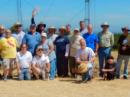
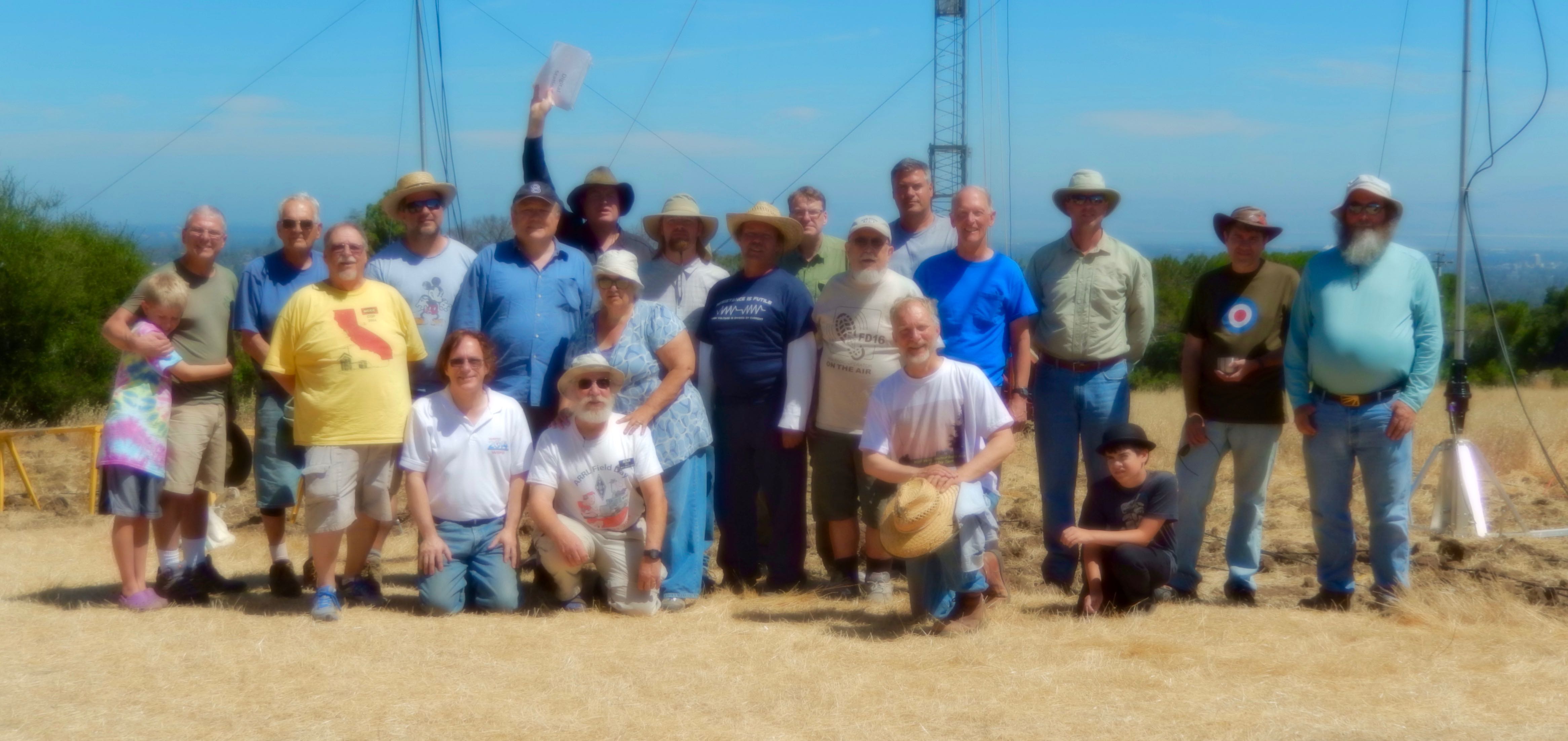
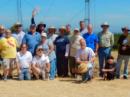 WVARA's Team
-
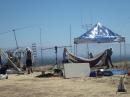 Busy with setting...
-
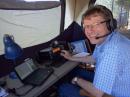 Jon Griffiths, W6...
-
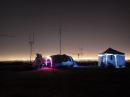
 Sunset on Mora Hi...
-
-
 Tom Dunbar, W6ESL...
-
 Graveyard shift o...

Back