-

Feature
02/04/2011 | Surfin’: Spring Can’t Come Quick EnoughThis week, Surfin’ visits websites with warmer weather in mind.
Learn More -

Feature
01/21/2011 | Surfin’: I Tune, Do You?This week, Surfin’ describes why hams should respect antenna tuners.
Learn More -

01/13/2011 | Midwestern Hams Spot, Track Tornados As 2011 Begins
In the final hours of 2010, tornados swept across Missouri, Illinois and Arkansas, leaving at least seven people dead. Hams in Missouri -- one of the hardest hit areas -- activated nets and provided real-time weather observations to the National Weather S
Learn More -
12/28/2010 | ARRL Straight Key Night: A Return to Amateur Radio’s Roots
For more than 40 years, ARRL Straight Key Night has long been the favorite event of many amateurs. Always on New Year’s Eve and Day, Straight Key Night gives hams a chance to return to the time when Amateur Radio was just a bit simpler -- a time when a st
Learn More -
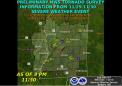
12/01/2010 | ARES®, SKYWARN Activated as Tornadoes Swing Through the South
On the evening of Monday, November 29, a series of severe storms swept through Louisiana, Mississippi and Alabama, and hams provided support from the National Weather Service (NWS) office. According to the NWS, seven tornadoes were embedded in the storm s
Learn More -
11/22/2010 | “Coming Home” to HamJam 2010
On November 13, Georgia hams and others enjoyed HamJam 2010. According to HamJam organizer Mack McCormick, WB4MAK, the event’s goal is to encourage members of all regional clubs to come together for a day of learning and fellowship. Members of more than 1
Learn More -

11/20/2010 | Hams Invited to Listen for New Satellites
Amateurs have an opportunity to monitor three new research satellites.
Learn More -

11/18/2010 | SKYWARN Recognition Day Set for December 4
The 12th Annual SKYWARN Recognition Day (SRD) Special Event will take place Saturday, December 4, 2010. SRD is co-sponsored by the ARRL and the National Weather Service (NWS) as a way to recognize the commitment made by Amateur Radio operators in helping
Learn More
Search for Amateur Radio News


Copyright © 2026 The American Radio Relay League, Inc. All rights reserved. Reproduction of material from any ARRL web page without written permission is strictly prohibited.