-

10/19/2015 | ARES/RACES Teams Expected to Join MARS in Coronal Mass Ejection Disaster Exercise
Preparations are nearly in place for the previously announced Military Auxiliary Radio System (MARS) coronal mass ejection (CME) disaster communication exercise in early November.
Learn More -

09/25/2015 | The K7RA Solar Update
A slight uptick in sunspot numbers
Learn More -

09/04/2015 | The K7RA Solar Update
The Australian Bureau of Meteorology’s Space Forecast Centre issued a geomagnetic warning at 0009 UTC on September 4.
Learn More -

08/21/2015 | The K7RA Solar Update
Despite a continued decline in solar activity, Sporadic E propagation on 6 meters remains strong.
Learn More -

07/31/2015 | The K7RA Solar Update
Solar activity currently remains in the doldrums
Learn More -
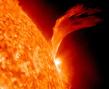
06/26/2015 | The K7RA Solar Update
After a very active week, conditions for Field Day should be calm
Learn More -

06/23/2015 | Geomagnetic Storming Reaches Severe Level
Geomagnetic storming reached the G4 — severe — level at 0513 UTC on June 23.
Learn More -

06/19/2015 | The K7RA Solar Update
Quiet to unsettled conditions ahead.
Learn More
Search for Amateur Radio News


Copyright © 2026 The American Radio Relay League, Inc. All rights reserved. Reproduction of material from any ARRL web page without written permission is strictly prohibited.